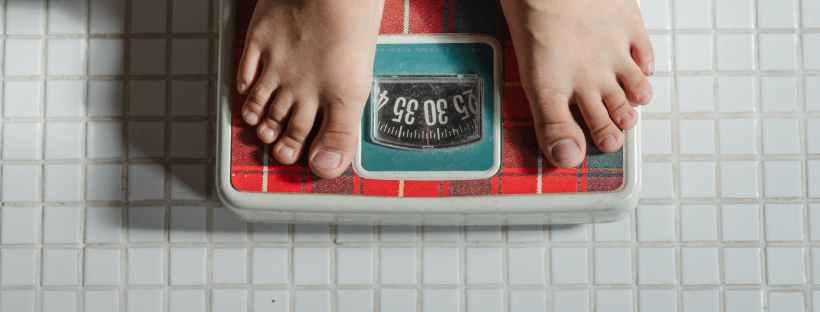
What Are You Complimenting Exactly?

As we have officially embarked on the season of New Year, New You, it won’t be long before you might start seeing evidence of the new gym equipment, diets, cleanses, and detoxes. How long they remain is as another question for another time. But you will see them. Some will be subtle, and some will shock and awe you. And you will likely respond with varying levels of enthusiasm and/or hysteria. But be careful. And here’s why.

Unless you know for gospel truth the exact things that have brought a person startling and hopefully lasting change for their health and wellness, compliments and the way in which you compliment, may not be as helpful as you think. It is natural for someone who has not been unhappy with their physical appearance to feel great about 1. Changing said appearance; 2. People noticing desired improvements; 3. People showering accolades upon the person for all the above.

But here are some of the types of comments that can be dangerous:

  1. You are looking so much better now!
  2. You look so beautiful.
  3. You are so hot!
  4. You’ve been hiding that bod all this time?
  5. So glad you have finally lost all that weight.

Basically what you are saying is that in the absence of weight loss/tightening and toning, a person looked worse, was not beautiful or hot before, has been hiding hotness behind something, and that others have been wanting them to lose weight for a long time. While one’s intentions may have been pure, there is a lot loaded behind these types of accolades.

If you’ve gone through any diet/exercise programs—especially if they are strict—results come. But they don’t always stay, particularly if the program is not sustainable. I speak from experience. I used to follow a strength training/clean eating approach that was extremely strict. On vacation I still woke up at 6 or 7 to workout. I brought bands and mats with me in case I couldn’t get to a hotel gym. And I followed a pattern of eating six meals a day that adhered to macro requirements. That meant I carried protein bars with me at all times, packed Ziplock bags with protein powder to spike oatmeal with, picked meals at outstanding restaurants according to protein/fat/carb ratios, not whether the dish was something special I might only get in this one corner of the world. You get the picture.

Eventually I reached a point where this lifestyle was the pits (have you ever ducked out of church to go to your car to snarf down a cheese stick and dry Ezekiel bread as people walked by looking at you weird?) and yes, I carried an insulated lunchbox in the car on most days. And when I reached the point where I just couldn’t deal with that lunacy anymore, I stopped. Naturally my body changed, and the compliments ended. So, what did that mean? I was only beautiful and praiseworthy when successful on a difficult diet plan and not for just being me. And that messed with my head. And it messes with the heads of anyone who has been on the weight loss/gain train.

I know someone who is addicted to pills, never exercises or pays attention to nutrition, or any other healthy lifestyle habit. This person naturally became emaciated and in terrible shape. Yet I’ve witnessed people falling over themselves to tell them how great they look. So, what does the compliment mean? Drug addiction and a terrible lifestyle will get you praise!

Here’s another story: A woman was at a Thanksgiving buffet helping herself at the table. Another woman (who I know for a fact prizes skinniness as a virtue above kindness and decency) excitedly squeals at her: “oh, you are so nice and thin!” The woman helping herself to dinner was fighting cancer. She could barely eat most days and was trying really hard for thanksgiving.

This is the point. We need to flip the switch on heaping praise on people’s physical stuff (which can change fast) and focus on the real stuff that matters. Has a person worked for the last year or so to make long-lasting changes for overall good health? Do you know how hard that is? That person needs to know their hard work, dedication, and courage are inspiring. They need to be told that their beauty now is as wonderful as it was before, but that the thing to be admired most comes from their depths of their soul.

I’ve known women who have become vapid, obsessive, and quite honestly idiotic as the numbers on their scales have gone down. They have literally morphed from normal human beings to things no one wants to be around. Inside, I knew they were battling demons of still not thinking they were good enough but were still hell bent on gaining their internal peace (which they never got) from showing everyone how amazing they were through their new and small clothes and ridiculous behavior. Praising them for their weight loss and new bodies only fed the angry beast within.

When you see someone who looks fitter, healthier, and yes, smaller, ask them about their program. If and when you find out exactly what they’ve been doing and it’s sane and sensible, applaud their efforts, their power, and their determination. They deserve that. Remind them that they could walk around with a bag on their head for the remainder of their days, but you’d still find them beautiful. Tell them how proud you are of them and that they are inspirational. But don’t stop there—if you notice a person has relapsed a bit (because fitness/weight management is never perfectly linear), keep your encouragement of their effort coming. Keep reminding them of the real beauty they possess, helping them to know that all is not lost if they have setbacks. It’s just part of the journey.

In the end, what compliments really matter? Not the ones that applaud a smaller number inside of a pair of jeans. Not at all.


Hey Random Aunty, Your Opinion Doesn’t Matter

The western world has long pioneered the fields of psychology and psychiatry, championing exploration of the human mind and its effect on behavior and illness. Indeed, the trend toward seeking medical or psychological intervention for depression, anxiety, and other behavioral issues is not new to the cultures from which those disciplines emerged.

For those of us children of immigrants, or first-generation immigrants ourselves, we’ve grown up in a dual-cultured world. Often, we live lives that psychologically could even be looked at a bit split personality in nature. At school and work, we speak with American (or British, Australian, German, etc.) accents. We eat whatever food we wish—often opting for things far from the cuisine of our home culture. We live in the world of the country we live in. And then we go home and play a whole different game with rules that compete with our ingrained western sensibilities.

There is sure to be conflict, but we find ways around and through them. And our parents often adapt, embracing nuances of western culture that make sense to them. But there is one area that still represents an uncharted —and highly resisted—territory: mental health.

Speaking to my experience as an Indian American who has heard plenty from people with my background, parents would rather offer you a handful of almonds as a cure for your brain issues than take you to a psychologist. Yoga, meditation, and other faith-related practices are often suggested without a full understanding of the problems a young person is actually dealing with.

For the Indian American family that closely identifies with a particular faith group, be it Hinduism, Islam, and even Christianity, mental health struggles and the inability to surmount them without intervention, is often cast as a failure of one’s adherence to their faith and practice. Christian parents might tell you to just pray and believe. And if you still struggle, the suggestion is made that your faith isn’t strong.

The end result is often that a young person suffers in silence, which may lead them down a horrific path. I knew a Pakistani-American guy in college who shot himself in a dorm parking lot because his MCAT score wasn’t what he wanted it to be. I remember him being stressed and super intense about schoolwork. But to the point that he felt his only option was death? He needed help. I don’t know if he reached out to his parents or what their relationship was like, but there were clearly issues that needed to be addressed.

I know of many kids who live secret lives of self-destruction under their parents’ noses for reasons that reach far beyond rebellion. And if said parents discover their stupidity, say in the case of actually getting into serious trouble, more effort will be given to covering up the misdeed than actually getting the kid set straight. Solutions can often be found in honest communication with parents and help from a medical/psychological professional. But that path is ignored. Why?

Again, speaking from my experience as an Indian American, here’s a big part of the problem. Many parents live and die by what OTHER people think about them. And really, that’s stupid.

“It won’t look nice,” if we don’t go to the 16th birthday party of that kid we don’t even know, just because their parents invited us (and we don’t even know them that well). Or “What will people say if they find out you have to talk to a counselor? They’ll think you are crazy, and we are cursed as parents!” when you tell your folks you need some help dealing with sadness. “How can you call off the wedding (to a complete idiot you should really be running from)? What will the community say? What’s one of the biggest reasons a lot of ethnic parents want their kids to get into Harvard? Bragging rights.

All that superficial junk accomplishes is further alienation of a child that needs help, in favor of appearances to people who don’t honestly matter—because lest we forget, the real people whose love for us is genuine only want us to be happy.

Now if a child breaks a leg or needs treatment for a bladder infection, that’s cause for a doctor visit. But the brain—which is a pretty important organ—gets ignored when it runs into issues. Does that make good sense?

In my opinion, two things need to happen:

1. Ethnic parents need to take a page from the book of Western parenting and be more open about communication. If you struggle with talking about hard topics, (sex, drugs, alcohol, sexuality, religion, politics) learn to do it regardless. If you are going to raise your kids in Western culture, stop trying to force them to remain within the cultural bubble of the country you immigrated from, especially if that culture frowns upon honest parent/child communication.

2. If everything you do is designed to win praise and accolades from people not of your immediate family, knock it off. Stop caring about what other people think and invest that energy into caring about what your children think about you. How can you do a better job at getting them the help they need for any problem that arises—regardless of whether they are physical or mental.

For all the ethnic parents out there saying, “that would never happen to my child,” yes, yes it can. But by the time you actually wise up to it, it may be too late.

And that random aunty will still have plenty to say even then.

Better Uses of Precious Time on Election Night

I don’t plan on watching anything related to election returns tomorrow or for the next several days. Wolf Blitzer, keep your breaking news beeps to yourself!

And if you think you’re going to need copious amounts of alcohol or anxiety meds to get through the night, you need to shut your TV off, put your laptop away, and hide your phone. Don’t assault your liver or your brain.

So, what can you do instead? I have a few ideas.

Cook an Amazing Meal
No, not a boxed Old El Paso taco kit (though if you love that, carry on!). Find recipes (or turn to trusted ones) for a four-course meal: Appetizer, Salad, Entrée, Dessert. Spend the evening cooking it and set the table for a nice dinner. Even if it is for one! Turn on music you love, relax, nourish, and indulge yourself.

Spa Night
Take a long and luxurious bubble bath with bath salts (of the bathing variety, thank you very much), facial scrubs and masks, scented candles, and turn on a movie that will make you laugh. Or go the music variety and hit up a spa playlist on Spotify. If you have a non-political favorite podcast, cue it up and enjoy it!

Bake Fest
Is it the best idea to drown your worries or anger in a pan of brownies? Not really, but these are desperate times. But you can bake brownies or cookies, or some other favorite treat to share with others. Wrap them in little cellophane baggies and drop them off for neighbors and friends as an unexpected treat and all-around kind gesture.

Netflix and Favorite Comfort Food
Order in any treat meal you desire and watch something that has nothing to do with politics or the state of the United States of America in 2020. So no, you cannot watch Outbreak, Contagion, World War Z, I am Legend, and especially not The Handmaid’s Tale. But I do have some suggestions:

Somebody Feed Phil (travel and food with an all-round nice human being)
The Great British Bake Off (just good times, stunning baking, Britain)
Emily in Paris (full of cliché, great fashion, and food, just fun)
My Octopus Teacher (sigh. Get your Kleenex out)
Crash Landing Into You (This is a long-haul K-drama. You will go down the rabbit hole)
The Big Family Cooking Showdown (British, families, foodie battles)
Challenger: The Final Flight (not light-hearted, but kids of the 80s all remember this)
The Office (Do yourself a favor and commit to the enigma that is Dwight Schrute)

This list by no means even scratches the surface, and we haven’t even touched Prime, Hulu, and HBO Max. But you get what I mean. And yes, my list is clearly tinged with my preferences, but I’m sure you’ll find something good to distract yourself.

Workout, Audiobook and Go to Bed
Get a long workout in and go to bed early. Bonus treat: download a free audiobook from “Libby,” which is a digital book borrowing service linked to your local public library. So, if you have a library card, you’re set. Find an audiobook and tuck in like someone is telling you a story. Please, for the love of all that is holy, don’t audiobook Fear or Rage, or Melania and Me, or anything related to the election. Just find a good story and get lost in it. By all means, read a hard copy if you prefer.

Tuesday Night Bible Study or Book Club
If you’ve got like-minded friends involved in Bible study or book club virtually, don’t cancel. Carry on as normal. Maybe make it extra-long. Go heavy on the prayer session, actually.

Just a few things to help you through. Repeat as needed, for as long as needed. We’re all in this together.